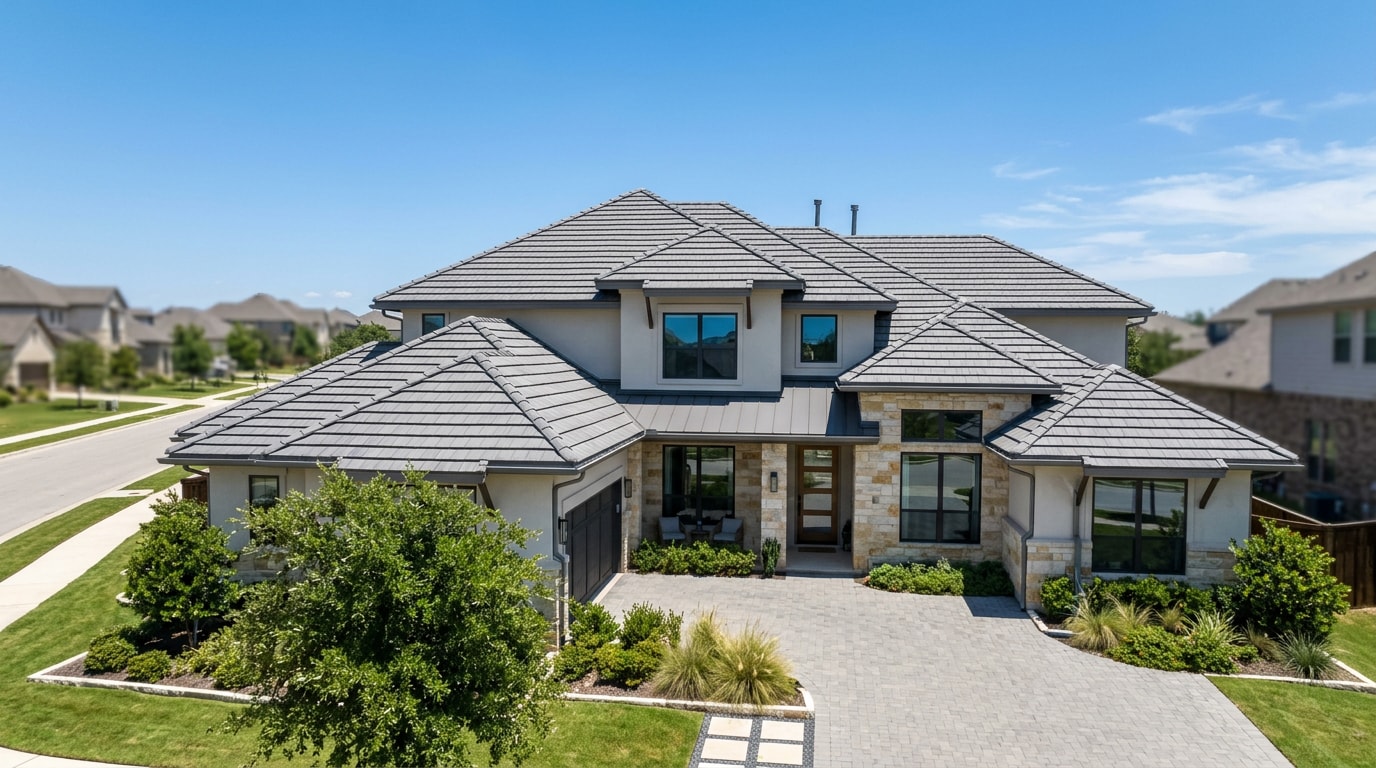
Concrete roof tiles in Seagoville, TX are a durable, fire-resistant upgrade over asphalt shingles, but they cost more, weigh far more, and aren't right for every roof frame. This guide breaks down real 2026 pricing, structural limits, and how the material actually performs against North Texas hail. Read through the weight table before you call a contractor — it's the number most quotes skip.
What Concrete Roof Tiles Cost in Seagoville, TX (2026)
Concrete tile sits in the middle of the tile market: pricier than shingles, cheaper than clay. Concrete tiles typically run $9 to $18 per square foot installed, compared to $12 to $25 for clay tile , and asphalt shingles cost between $3.50 and $7 per square foot installed.
Roofers price by the "square" — 100 square feet of roof area. Here's how that shakes out:
| Material | Cost per sq. ft. installed | Cost per square (100 sq. ft.) | Typical lifespan |
|---|---|---|---|
| Asphalt shingle | $3.50 – $7.00 | $350 – $700 |
20–30 years
| Concrete tile | $9.00 – $18.00 | $900 – $1,800 |
50–75 years
| Clay tile | $12.00 – $25.00 | $1,200 – $2,500 |
75–100+ years
|
For scale, most 2,000-square-foot concrete tile roof replacements cost about $18,000 to $36,000 , including tear-off, underlayment, and labor. Final cost still swings on tile profile, roof pitch, and whether the framing needs reinforcement before tile goes on, which is the next question worth answering before you get quotes.
Can Your Seagoville Home Carry the Weight?
This is the question most online tile guides skip, and it's the one that actually determines your budget. Concrete tile is heavy, and the difference versus shingles is bigger than most homeowners expect.
| Roofing material | Installed weight per square (100 sq. ft.) |
|---|---|
| Asphalt shingles |
230 – 430 lbs
| Clay tile |
600 – 900 lbs
| Concrete tile |
900 – 1,100 lbs
| Slate |
1,000 – 1,500 lbs
|
That's roughly three to four times the dead load of a shingle roof. The dead load is significantly higher than asphalt, and an existing structure not originally designed for tile may need engineering review before a re-roof.
The International Residential Code spells out the installation specifics: clay and concrete roof tile must be installed on roof slopes of two and one-half units vertical in 12 units horizontal or greater , and tile must be installed only over solid sheathing or spaced structural sheathing boards — not every deck qualifies as-is.
In practice, this means a framing or engineering review before tile goes on top of a house originally built for shingles. Homes that can't clear that review usually end up with lightweight concrete tile instead, which trims the dead load without giving up the look.
In my years running concrete crews across Kaufman and Dallas counties, I've been called out more than once to repair a cracked driveway apron or a sunken walkway slab after a homeowner re-roofed with tile and the added runoff weight shifted drainage patterns at the foundation line. A tile roof changes more than the roofline — it changes how water leaves the property, which is squarely a concrete contractor's problem once it hits the ground.
Concrete Tile vs. Clay Tile: Which Fits Seagoville Better
Both materials look similar from the street, but they diverge on weight, water absorption, and color retention.
- Cost: Concrete tile is cheaper per square foot than clay.
- Color:
Clay tile tends to hold its color longer because of its non-porous finish, which reduces color loss and staining.
- Water absorption:
Concrete tile is more prone to staining and mildew than clay because it is more porous and absorbs more water.
- Weight:
Clay is lighter than concrete, though it costs more.
- Lifespan: Concrete tile runs 50–75 years; clay stretches to 75–100-plus years.
For most Seagoville re-roofs, concrete wins on upfront cost and structural flexibility, while clay wins on long-term color stability and weight. Neither is a bad choice — it comes down to budget and how much structural reinforcement your home can reasonably absorb.
How Concrete Tile Holds Up to North Texas Hail
Southeast Dallas County isn't a quiet weather market. Over the past 12 years, 364 verified hail days within 10 kilometers of Dallas have been confirmed via NOAA radar data, with the largest hailstone measuring 4 inches . That frequency is exactly why impact ratings matter more here than in milder climates — you can check current and historical hail activity for the area directly through NOAA's Storm Events Database.
Roofing materials are rated for hail performance using the UL 2218 steel-ball-drop test. Class 1 withstands a 1.25-inch steel ball, Class 2 a 1.5-inch ball, Class 3 a 1.75-inch ball, and Class 4 a 2-inch steel ball dropped twice on the same spot with no breach . Concrete tile with a Class 4 rating is the standard most insurers want to see documented in hail-prone counties, and the Insurance Institute for Business & Home Safety publishes the underlying code and testing guidance contractors reference during inspections and claims.
A documented Class 4 rating won't make a roof indestructible — large enough hail can still crack any tile — but it meaningfully reduces claim frequency compared to standard roofing, which matters when you're filing paperwork after a spring storm rolls through Seagoville.
The Two-Clock Rule: Tile vs. Underlayment Lifespan
Concrete tile roofs run on two separate timelines, and missing this is the single most common mistake homeowners make when budgeting for a tile roof.
The tile body itself can last 50 years or more. The underlayment beneath the tiles typically needs replacement every 20 to 40 years, and failing to replace it can lead to leaks despite the tiles remaining intact.
When the underlayment wears out first, a lift-and-relay lets a crew pull the existing tile, replace the underlayment, and reset the same tiles — a fraction of the cost of a full tile replacement. Ask any Seagoville roofer quoting tile work whether they distinguish between tile life and underlayment life in their proposal; if they don't, get a second quote.
Maintenance and the Long Game
Concrete tile maintenance is lighter than most roofing, but it isn't zero:
- Replace cracked or broken tiles as they're found, rather than letting them sit.
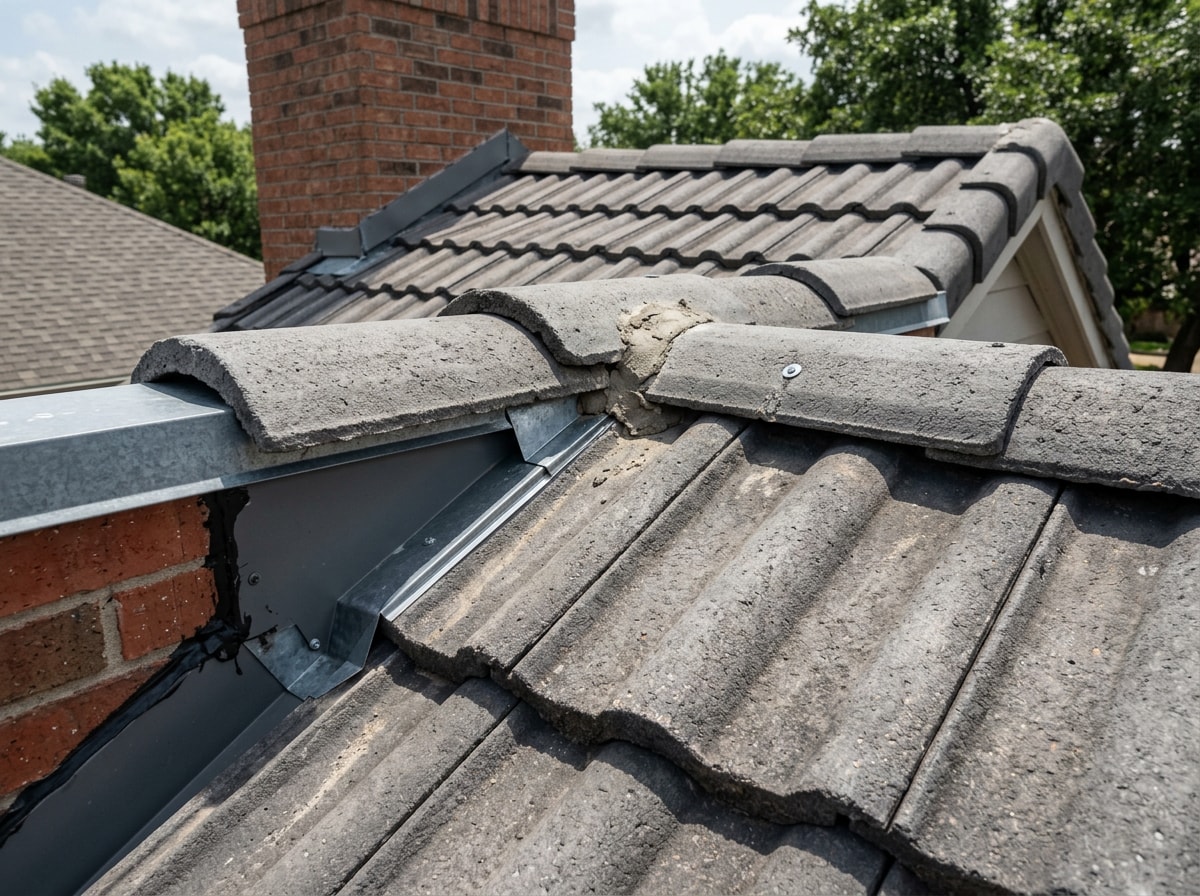
- Inspect flashing and valleys annually, since that's where leaks actually start.
- Clear moss and debris in shaded, north-facing roof sections.
- Budget for a lift-and-relay around the 20–30 year mark when the underlayment ages out.
- Plan for recoloring once the pigment or slurry coat visibly fades — it's far cheaper than a full tear-off.
If you're also dealing with cracked flatwork around the house, whether from age or from the added drainage load of a heavier roof, our guide to micro concrete repair options in Seagoville covers lower-cost ways to fix thin slabs and walkways without a full replacement.
Why Hiring a Documented Local Contractor Matters
A trustworthy Seagoville roofer or concrete contractor provides written inspection findings with photos, stands behind the work with a real workmanship warranty, and pulls permits instead of skipping them. That paperwork protects you later, whether it's an insurance claim or a resale inspection.
Hi-Tek Paving Services has handled concrete and asphalt work across Seagoville, TX and the surrounding Kaufman and Dallas county area since 2010. While we don't install roof tile ourselves, we're regularly the crew called in afterward to address foundation-line concrete, driveway aprons, and drainage flatwork affected by a heavier roof system — so we see firsthand how these projects play out on the ground.
Get a free estimate if a re-roof has you looking at driveway, walkway, or drainage concrete work next, and visit our homepage to see the full range of paving and concrete services we provide across North Texas.
About the Author
Kevin Rowland is the founder and owner of Hi-Tek Paving Services, a licensed and insured asphalt and concrete contractor serving Dallas, Seagoville, and the greater Kaufman County area since 2010. He has overseen concrete flatwork, drainage, and structural tie-in projects on residential and commercial properties throughout North Texas. Contact him directly through the Hi-Tek Paving contact page with project questions.
FAQ
What does a concrete roof tile cost in Seagoville, TX?
Concrete tile typically runs $9 to $18 per square foot installed , or roughly $900 to $1,800 per roofing square. A typical 2,000-square-foot roof lands between $18,000 and $36,000 depending on tile profile and whether structural reinforcement is needed.
Is my house strong enough for concrete tile?
Not automatically. Because tile adds significantly more dead load than asphalt, a structure not originally designed for tile may need an engineering review before a re-roof. A contractor or structural engineer checks rafter spacing, sheathing, and existing framing before approving the switch.
Does concrete tile hold up to hail?
Yes, especially when it carries a Class 4 impact rating. Class 4 roofing withstands a 2-inch steel ball dropped from 20 feet, twice on the same spot, without cracking . Given how often Dallas County sees hail, a Class 4-rated tile is worth specifying up front rather than after a claim.
What's the white chalky residue on my concrete tile?
That's efflorescence, a cosmetic reaction caused by lime leaching to the tile surface. It's harmless and typically fades with weathering or a light cleaning, not a structural concern.
Does concrete tile fade over time?
Yes. Surface color softens over decades as the pigment or slurry coat weathers under Texas sun. Tile recoloring restores the look without the cost of a full roof replacement.
How long does the underlayment under tile actually last?
The underlayment beneath the tiles typically needs replacement every 20 to 40 years , even though the tiles themselves can last 50 years or more. A lift-and-relay replaces the underlayment and resets the existing tile at a fraction of full-replacement cost.
Can you walk on a concrete tile roof?
Carefully, yes, but only along battens or structural points, never flat across the tile field. Concrete tile is brittle under concentrated foot pressure, and cracked tiles from foot traffic are one of the most common repair calls on an otherwise sound roof.