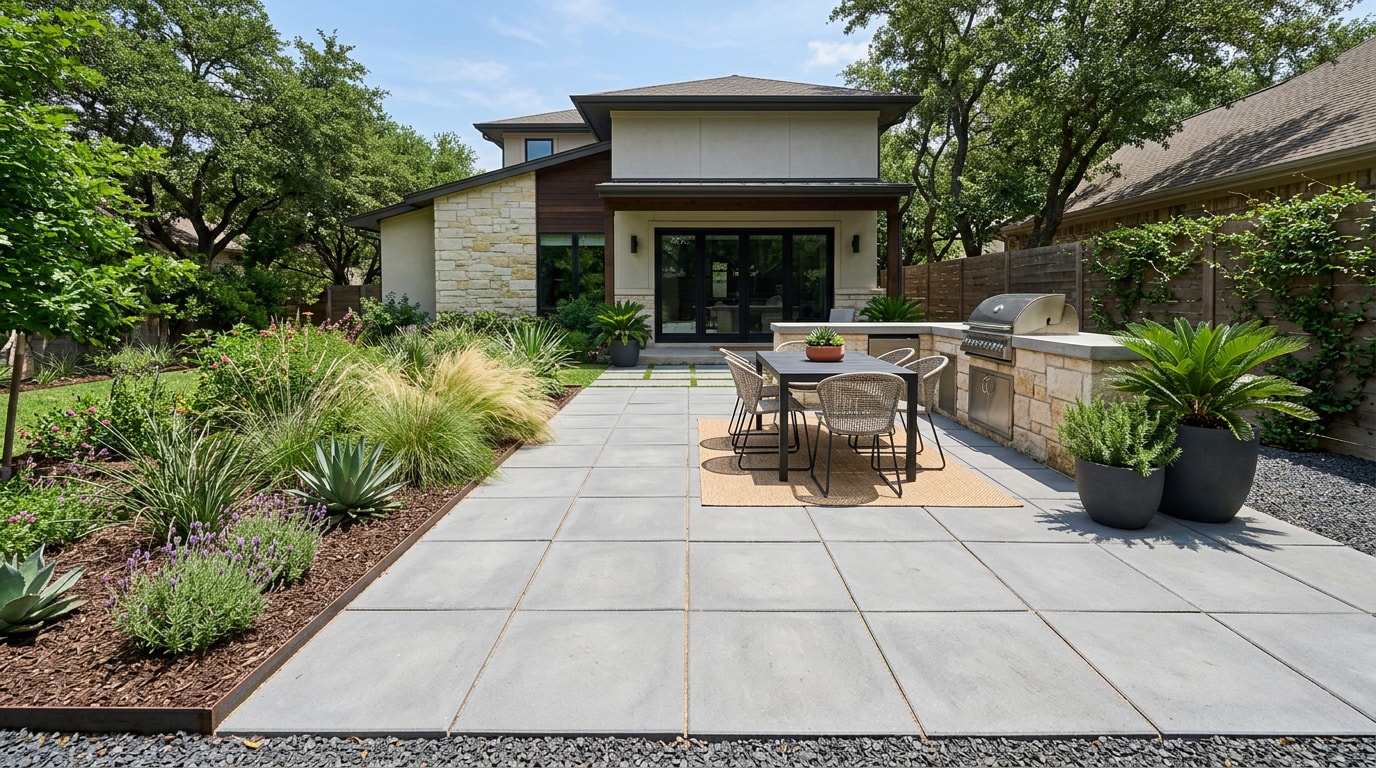
24x24 concrete pavers in Plano, TX give homeowners a large-format patio and walkway option that handles expansive clay soil better than a single poured slab. This guide breaks down real specs, 2026 pricing, color options, and the installation steps a crew actually follows on a Plano job site. We'll also flag the base-prep detail most product pages skip, the one that decides whether your patio stays flat for 20 years or heaves in year three.
What Is a 24x24 Concrete Paver?
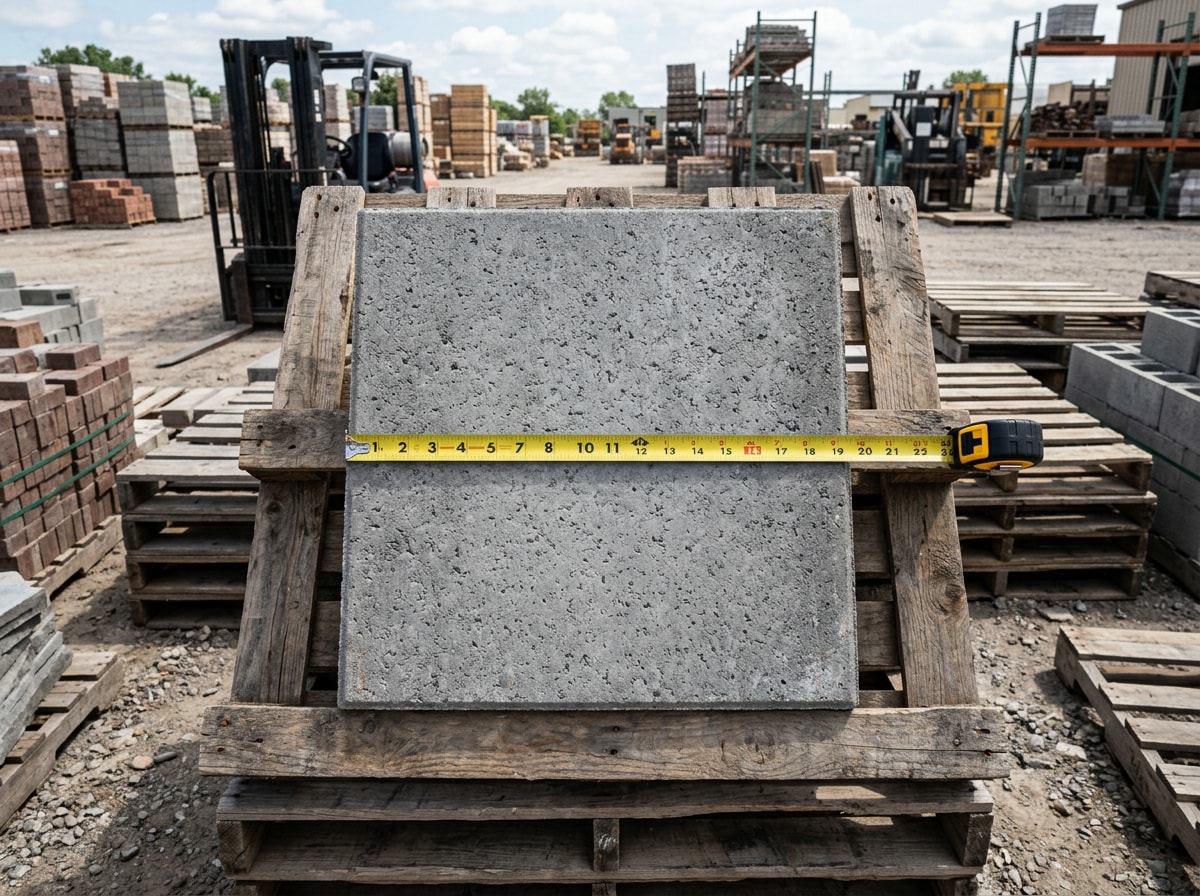
A 24x24 concrete paver is a large-format patio stone measuring two feet by two feet, built for patios, walkways, garden paths, and stepping-stone layouts. Keystone Hardscapes 24′′ × 24′′ Square Pavers are large-format concrete patio stones designed for patios, walkways, garden paths, courtyards, stepping-stone layouts, and other pedestrian landscape applications.
The simple 2-foot × 2-foot square format creates clean lines and broad surface coverage with significantly fewer joints than smaller traditional pavers.
Here's the standard spec sheet local suppliers publish for this size:
| Spec | Measurement |
|---|---|
| Dimensions | 24″ × 24″ × 2″ |
| Coverage per paver | 4 sq. ft. |
| Weight per paver | ~88 lb. |
| Pieces per pallet | 28 |
| Coverage per pallet | ~112 sq. ft. |
| Pallet weight | ~2,464 lb. |
| Common colors | Slate, pewter, caststone |
Available for pickup in Lewisville and Plano, with delivery available throughout the area. A 200-square-foot patio typically needs roughly two pallets plus a few extra pieces for cuts and waste. If you want the deeper math on how paver weight relates to concrete density and mix design, our concrete density guide for Plano, TX walks through the formulas.
On our own Plano installs, two-person crews lift and set each 88-pound unit rather than one person working alone. That's not a suggestion, it's how you avoid dropped pavers and chipped edges on delivery day.
24x24 Concrete Paver Cost in Plano, TX (2026)
Material cost and installed cost are two different numbers, and mixing them up is the most common budgeting mistake on paver projects.
| Option | Material Cost (per sq. ft.) | Typical Installed Cost (per sq. ft.) |
|---|---|---|
| 24x24 concrete pavers | $3–$6 | $12–$25+ |
| Smaller format pavers | $4–$8 | $15–$28+ |
| Poured concrete | $2–$4 | $6–$12 |
Per-piece and per-pallet pricing on supplier sites reflects material cost only. Installed cost is a separate, larger figure once base compaction, labor, edge restraints, and delivery are factored in. That gap is why a poured slab often looks cheaper on paper, even though pavers can offer better long-term value through easier spot repairs.
Design and Finish Options
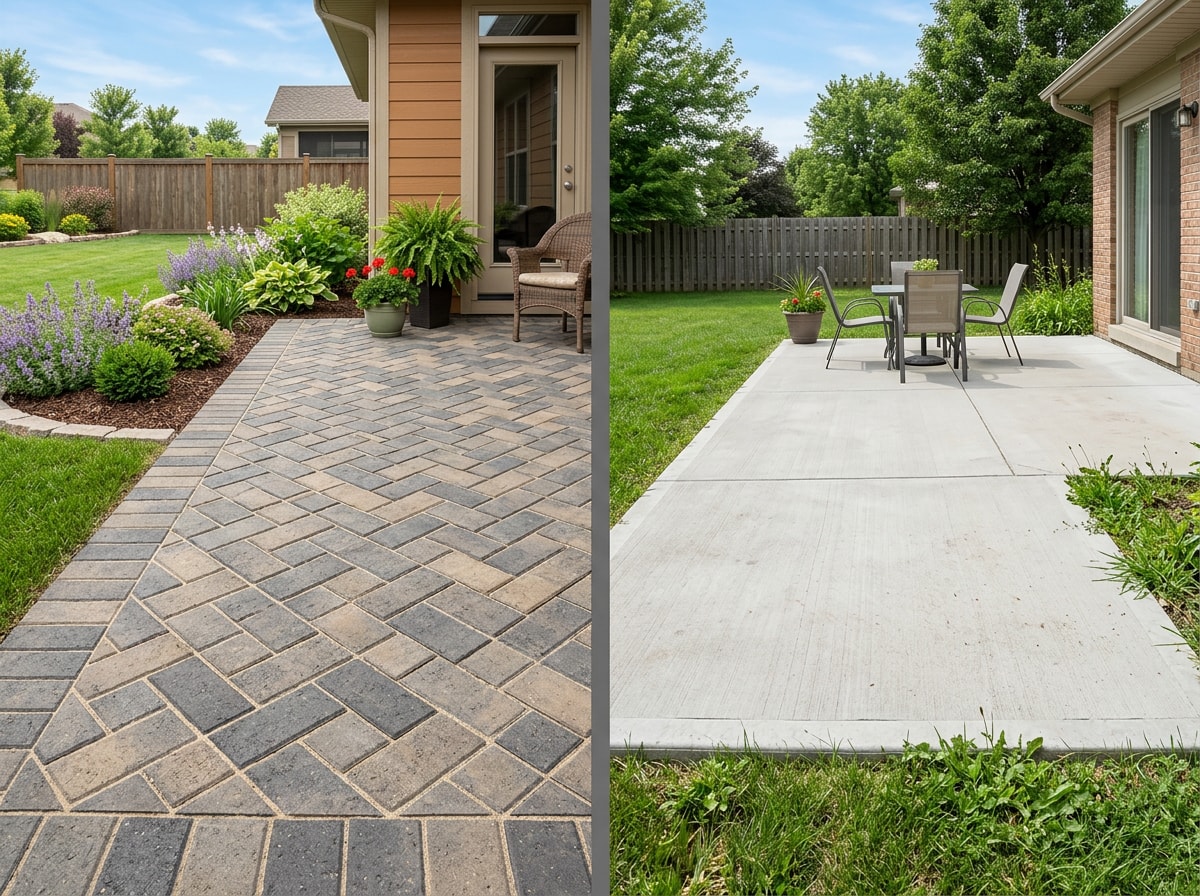
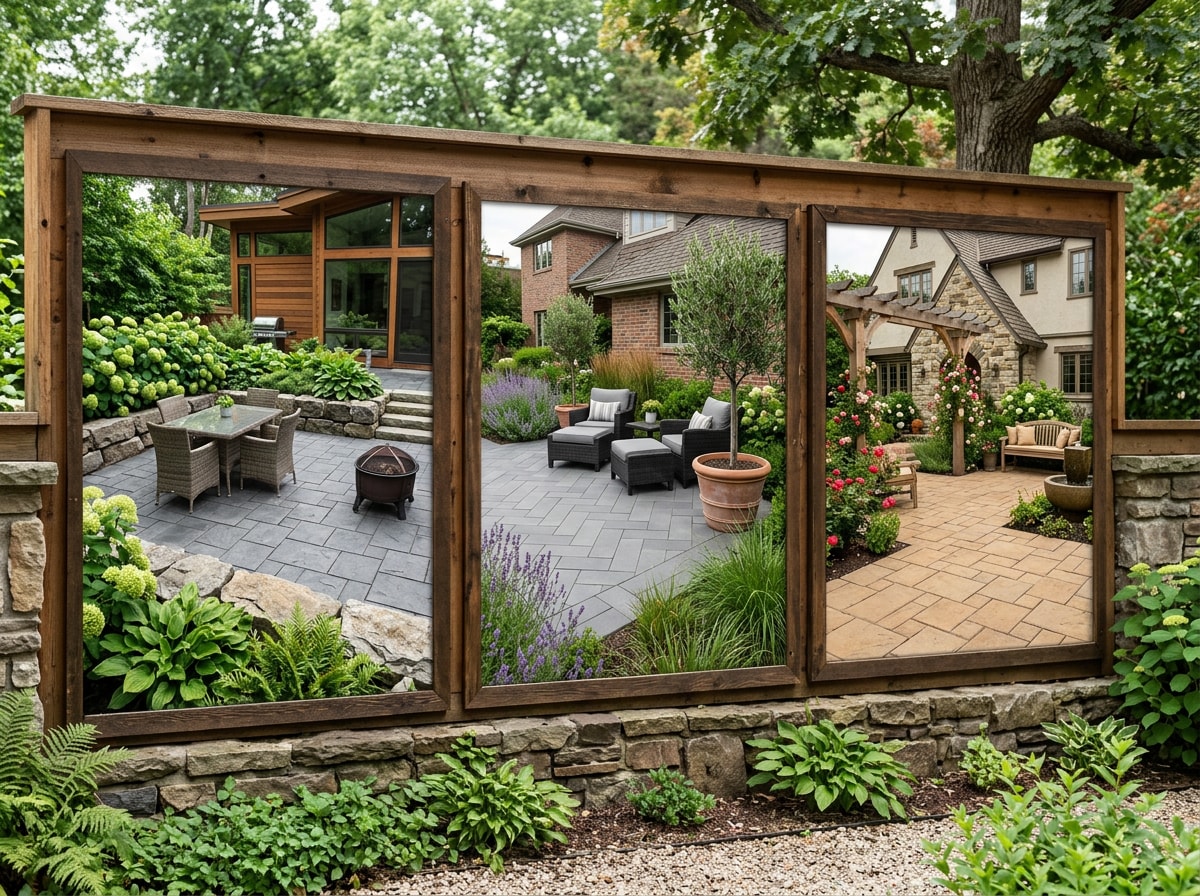
Slate, pewter, and caststone colors give 24x24 pavers more design flexibility than a single poured slab, which only offers one finish across the whole surface. Mixing colors or alternating patterns lets a patio match brick, stucco, or stone accents already on the home.
Large-format squares suit both contemporary and traditional Plano home styles. If you're planning stamped borders, exposed aggregate accents, or a broom finish transition zone where pavers meet a poured section, our concrete finishing service covers those detail finishes.
Durability in North Texas Clay and Heat
Concrete pavers resist cracking better than many homeowners expect, mainly because each unit moves independently instead of cracking as one connected slab. That matters in Plano, where clay-heavy soil swells and shrinks with moisture swings throughout the year. Clay soils hold too much water and do not allow enough air to enter the soil , which is part of why North Texas foundations and hardscapes see more seasonal movement than homes on sandier ground.
A jointed paver system absorbs that movement far better than a rigid pour, keeping the surface level and low-maintenance for years instead of cracking into separate slabs on its own.
Step-by-Step Installation Process
Here's the condensed, accurate process for setting 24x24 pavers correctly.
- Measure and plan the layout. Decide on borders, accent rows, or pattern changes before ordering material. Accurate measuring up front prevents wasted pavers and awkward cuts later.
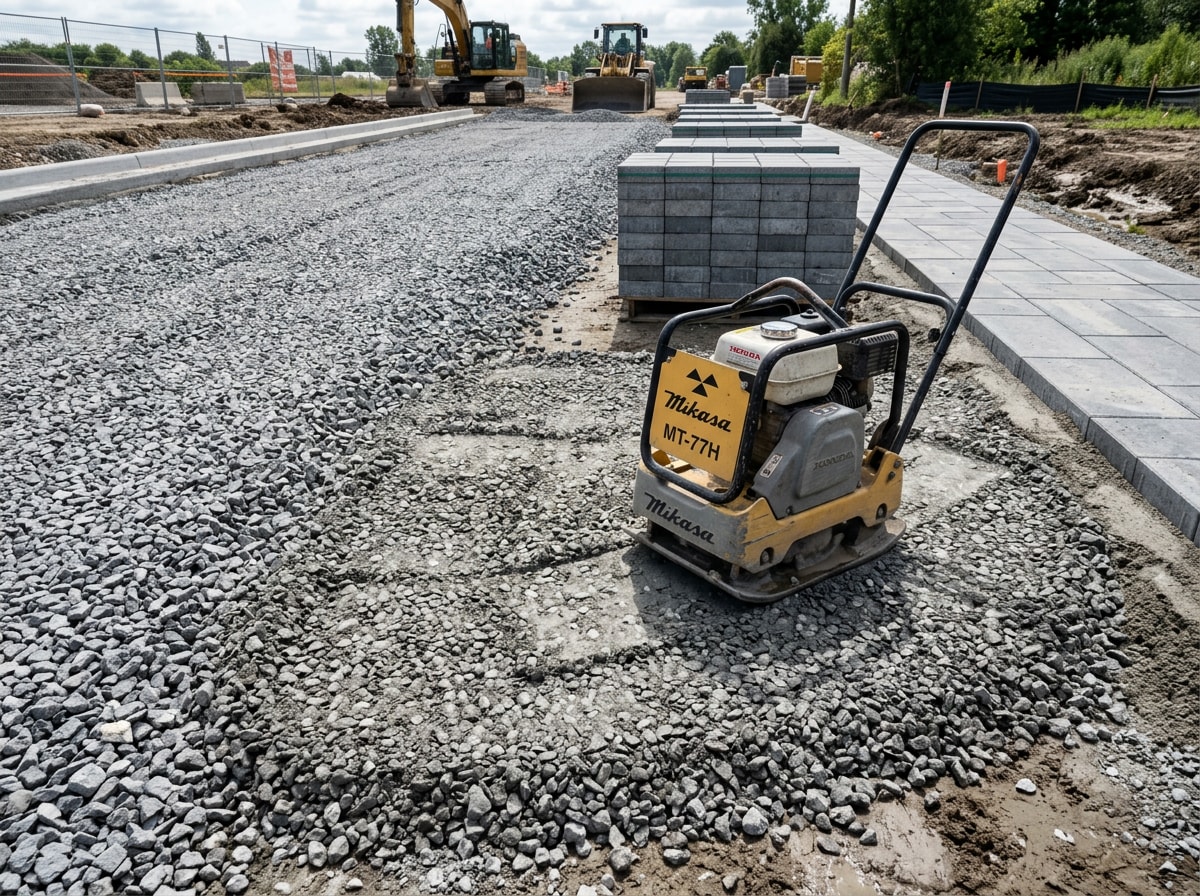
- Excavate and prepare the base. This step gets skipped or shortened more than any other, and it's the single biggest cause of shifting, sinking, or uneven joints down the line.
- Cut and dry-fit border pieces. Use a diamond blade saw for precise fits at edges and corners before setting anything permanently.
- Set, compact, and joint the pavers. Place each unit into the sand bed, tap it level with a rubber mallet, then run a plate compactor over the finished surface and sweep polymeric sand into the joints.
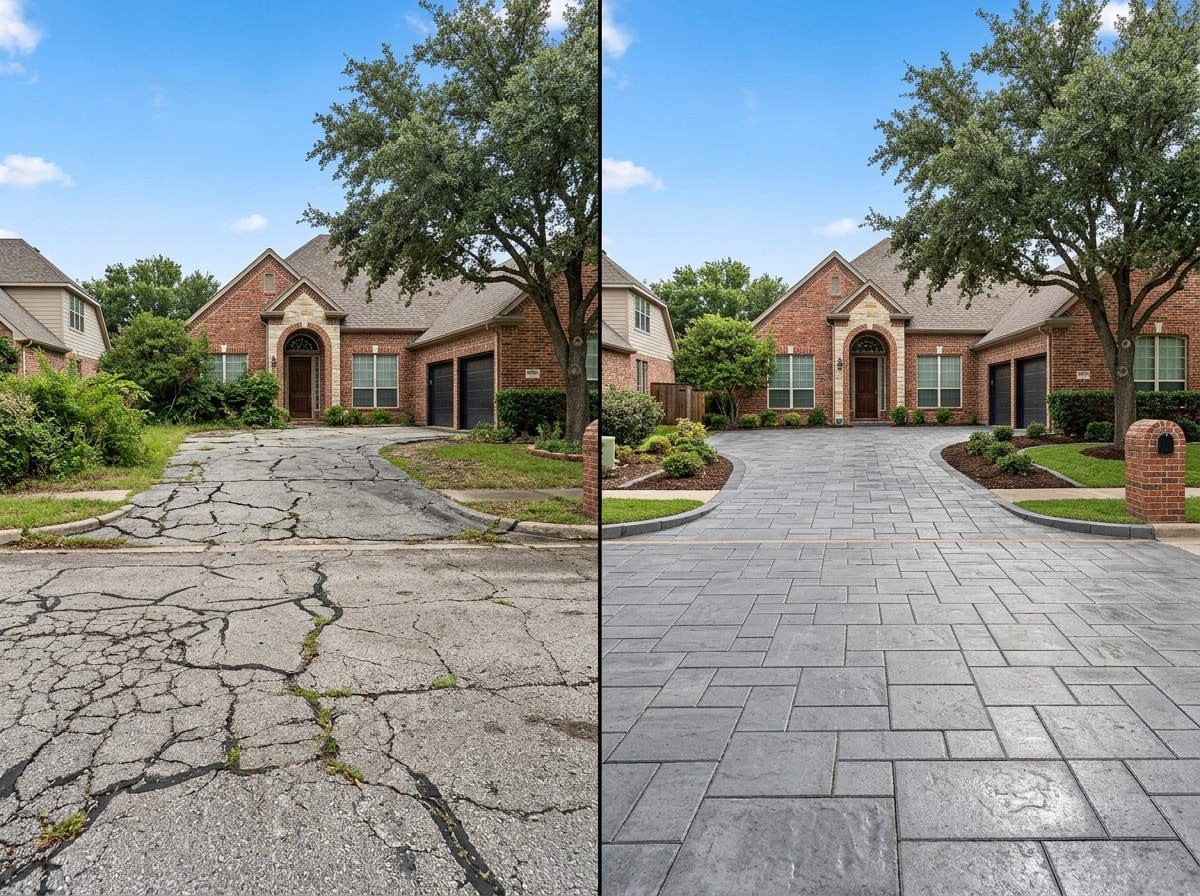
Base depth isn't one-size-fits-all. Pedestrian patios need less compacted aggregate base than anything carrying vehicle weight, and getting that number wrong is a common DIY failure point. Industry guidance from the Concrete Masonry & Hardscapes Association sets separate base-depth and bedding-sand specifications for pedestrian versus vehicular segmental pavement, which is also the standards body behind ASTM C936, the product standard that defines dimensions, dimensional tolerances, absorption, and compressive strength for solid concrete interlocking paving units like the 24x24 format covered here. Skipping that distinction is why some driveway paver jobs fail years before patio jobs do.
Buy It Yourself or Hire a Professional Installer?
Damage one paver and you replace that single piece instead of patching or re-pouring an entire slab. Since 24x24 pavers are sold individually, replacing one unit is typically a quick, affordable fix rather than a major repair project. That's one of the clearest practical advantages over poured concrete.
DIY installation can work for a small, flat walkway. For driveways, pool surrounds, or any area with drainage slope requirements, a licensed crew gets the base compaction and grading right the first time. Our concrete paving service covers both new paver installs and poured concrete work, so you can compare options before committing to a material.
Permits and Local Requirements in Plano, TX
Permit rules depend on whether the patio is attached or detached, whether it changes drainage, and total square footage. The City of Plano offers outdoor improvement resources covering fence permit requirements, outdoor gas appliance permit requirements, and residential attached patio cover permit requirements and checklists. Always confirm current requirements with Plano's Outdoor Improvements office before installation begins, since fees and triggers change by project scope.
Getting 24x24 Pavers Installed in Plano and Nearby North Texas
Paver installation support typically extends well beyond Plano proper, covering nearby North Texas communities. Hi-Tek Paving serves Plano, TX and the broader Dallas, TX metro, handling everything from paver patios to full concrete and asphalt contracting. Browse the full range of services from the Hi-Tek Paving homepage or get a free estimate for your specific project before you order material.
FAQ
What is the weight of a 2x2 concrete paver?
A standard 2x2 (24x24) concrete paver weighs approximately 88 pounds, based on published pallet weight data. With 28 pieces per pallet averaging around 2,464 pounds total, each individual unit works out to roughly that same per-piece figure.
How far apart should 24x24 pavers be spaced?
Large-format square pavers are typically installed with tight, consistent joints, often around 1/8 to 3/16 inch wide, to allow for polymeric sand jointing. Even spacing throughout the layout keeps the sand locked in place and prevents uneven settling.
Is it cheaper to pour concrete or install pavers?
Poured concrete is usually cheaper upfront, often $6–$12 per square foot installed versus $12–$25+ for pavers. Pavers frequently win on long-term value since a single damaged section can be replaced instead of patching or repouring an entire slab.
What type of paver is best for a driveway?
Thicker, vehicular-rated pavers, commonly 80mm, are recommended for driveways, while the thinner 2-inch 24x24 format covered here is built for pedestrian patio and walkway use. Confirm thickness ratings with your installer before ordering material for a driveway.
How many 24x24 pavers come on a pallet?
Most suppliers in the Dallas-Plano area sell 24x24 pavers 28 pieces per pallet, covering roughly 112 square feet. Order slightly more than your measured square footage to account for cuts at borders and corners.
Do I need a building permit for a concrete patio in Plano?
Permit requirements vary by project scope, including whether the patio is attached or detached and whether drainage changes are involved. Verify current requirements with the City of Plano's Outdoor Improvements office before installation begins.